
Legacy Gaming and the Future of Physical Media
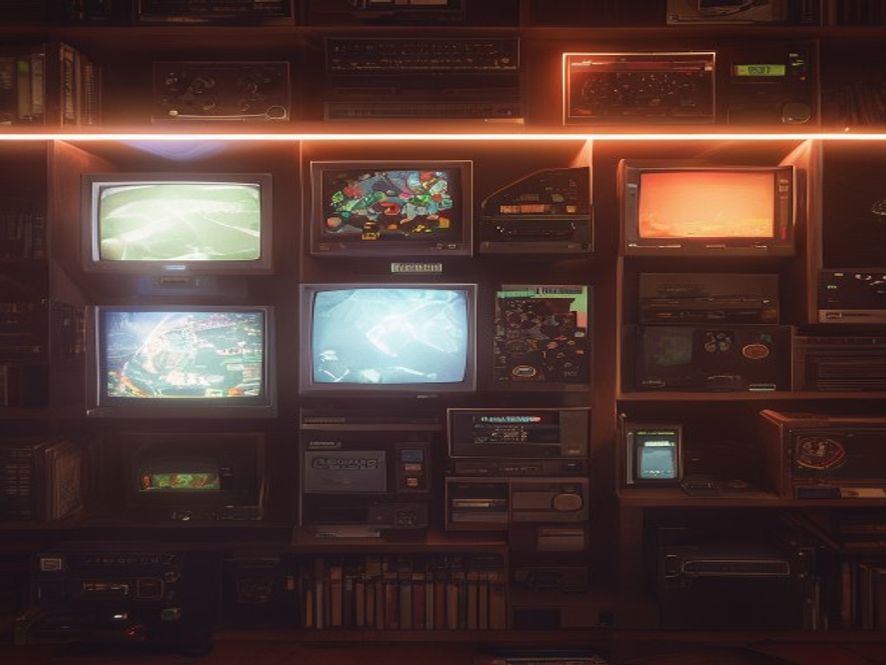
The End of an Era: Physical Media in Gaming
The recent announcement from Sony that they will be ending production of game discs starting January 2028 has sent shockwaves through the gaming community. This move has sparked a lively debate about the future of physical media in gaming, and the potential consequences for game preservation and legacy gaming.
One of the most vocal critics of this decision is Yoko Taro, the creator of the Nier series. In a recent post on X, Taro bemoaned the loss of physical media, citing the tactile experience of holding a game in your hands, and the sense of ownership that comes with it. He also noted that physical media provides a tangible connection to the past, and allows gamers to hold onto memories of their favorite childhood games.
The Rise of Digital Distribution
While physical media may be on the decline, digital distribution has become the norm in the gaming industry. Platforms like Steam, GOG, and the Epic Games Store have made it easier than ever for gamers to purchase and download games directly to their computers. However, this shift towards digital distribution has also raised concerns about game preservation and legacy gaming.
With the rise of digital distribution, many classic games are being left behind, and are in danger of being lost forever. This is a problem that affects not just gamers, but also developers and publishers who want to preserve their legacy and ensure that their games continue to be enjoyed by future generations.
The Importance of Game Preservation
Game preservation is a critical issue that affects not just the gaming industry, but also our cultural heritage. Games are a unique form of storytelling and entertainment, and they provide a window into the past, revealing the values, attitudes, and technological advancements of their time.
Preserving classic games is essential for several reasons. Firstly, it allows us to learn from the past, and to appreciate the innovations and creativity that have shaped the gaming industry. Secondly, it provides a way for gamers to experience the games of their childhood, and to relive memories that may otherwise be lost.
The Role of Independent Developers
Independent developers are playing a crucial role in preserving classic games and ensuring their continued availability. Through their efforts, many classic games are being ported to modern platforms, and are being made available to a new generation of gamers.
One example of this is the recent release of the classic game, "Doom," on modern platforms. The game was originally developed by id Software, and was released in 1993. However, thanks to the efforts of independent developers, the game has been ported to modern platforms, and is now available for purchase on Steam and the Epic Games Store.
Conclusion
The end of physical media in gaming is a significant development that has far-reaching implications for the industry. While digital distribution has made it easier than ever for gamers to purchase and download games, it also raises concerns about game preservation and legacy gaming.
As the gaming industry continues to evolve, it is essential that we prioritize game preservation and ensure that classic games continue to be available for future generations. Independent developers are playing a crucial role in this effort, and their work is helping to preserve the legacy of the gaming industry.
Ultimately, the future of gaming is not just about the technology, but also about the people and the experiences that shape it. By preserving classic games and ensuring their continued availability, we can learn from the past, appreciate the innovations and creativity of the gaming industry, and create a brighter future for gamers to come.