
GPU Wars: NVIDIA Blackwell vs AMD RDNA4 - The Mid-Range Showdown
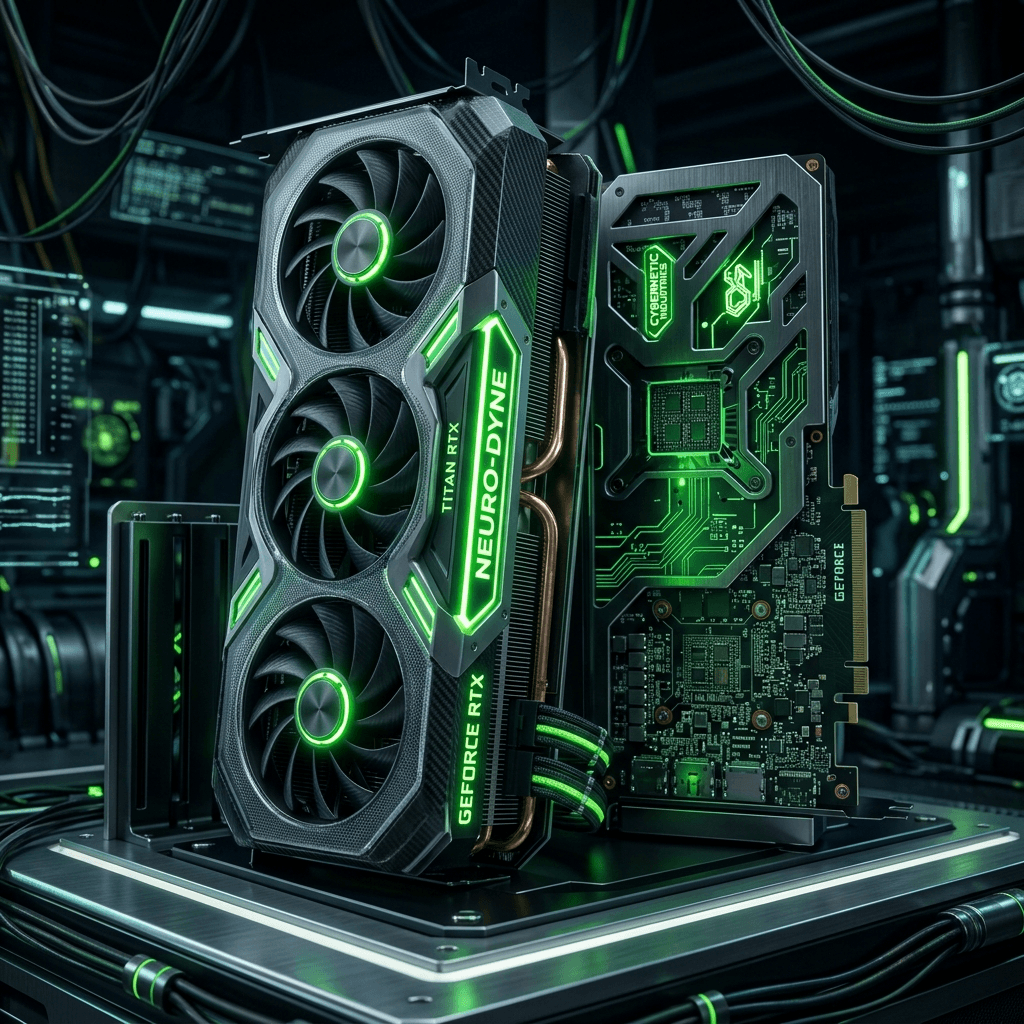
The Changing Landscape of GPU Performance
The latest leaks from NVIDIA and AMD are sending shockwaves through the tech community, with the Blackwell RTX 5090 and AMD's RDNA4 mid-range GPUs vying for dominance in the market. In this article, we'll delve into the specs, performance, and market shifts that are shaping the future of graphics processing.
NVIDIA Blackwell RTX 5090: The Performance Powerhouse
The NVIDIA Blackwell RTX 5090 is the latest flagship GPU from NVIDIA, boasting an impressive 24,576 CUDA cores, 32GB of GDDR7 memory, and a 512-bit bus width. These specs are a significant upgrade over the Ada Lovelace architecture, promising substantial performance gains in gaming, AI, and professional applications.
| Spec | Blackwell RTX 5090 | Ada Lovelace |
|---|---|---|
| CUDA Cores | 24,576 | 16,384 |
| Memory | 32GB GDDR7 | 24GB GDDR6 |
| Bus Width | 512-bit | 384-bit |
The Blackwell RTX 5090's increased CUDA core count and GDDR7 memory will provide a substantial boost in performance, especially in applications that rely heavily on parallel processing. However, it's essential to note that the actual performance gains will depend on various factors, including the specific use case, driver optimization, and system configuration.
AMD RDNA4: The Mid-Range Challenger
AMD's RDNA4 mid-range GPUs are aiming to capture a significant portion of the market with aggressive pricing and competitive performance. While the exact specs of the RDNA4 GPUs have not been officially announced, rumors suggest that they will feature a mix of 6nm and 5nm nodes, with a focus on power efficiency and performance per watt.
| Spec | RDNA4 (Rumored) | RDNA3 |
|---|---|---|
| Process Node | 6nm/5nm | 7nm |
| CUDA Cores | 4,096 | 3,072 |
| Memory | 16GB GDDR6 | 12GB GDDR6 |
The RDNA4 GPUs are expected to offer a significant performance boost over their predecessors, thanks to the improved process node and increased CUDA core count. However, it's essential to note that the actual performance will depend on various factors, including the specific use case, driver optimization, and system configuration.
The Mid-Range Showdown
The mid-range GPU market is where the battle for market share is heating up. With AMD's RDNA4 GPUs aiming to capture a significant portion of the market, NVIDIA's Blackwell RTX 5090 is under pressure to deliver exceptional performance and value. In this segment, we'll explore the key differences between these two GPUs and what they mean for gamers and professionals.
| Feature | Blackwell RTX 5090 | RDNA4 |
|---|---|---|
| CUDA Cores | 24,576 | 4,096 |
| Memory | 32GB GDDR7 | 16GB GDDR6 |
| Bus Width | 512-bit | 256-bit |
The Blackwell RTX 5090's superior CUDA core count and GDDR7 memory will provide a substantial performance advantage over the RDNA4 GPUs. However, the RDNA4 GPUs will likely offer a more competitive price point, making them an attractive option for budget-conscious buyers.
Conclusion
The GPU wars are heating up, with NVIDIA's Blackwell RTX 5090 and AMD's RDNA4 mid-range GPUs vying for dominance in the market. While the Blackwell RTX 5090 boasts exceptional performance and specs, the RDNA4 GPUs are expected to offer a competitive price point and power efficiency. As the market continues to shift, one thing is clear: the future of graphics processing is more exciting than ever.
**This article is for informational purposes only and should not be considered as a recommendation or endorsement of any specific product or technology.