NVIDIA’s Dual Front: RTX Spark ARM SoC Benchmarks Gain Ground as ZOTAC Sets an RMA Precedent
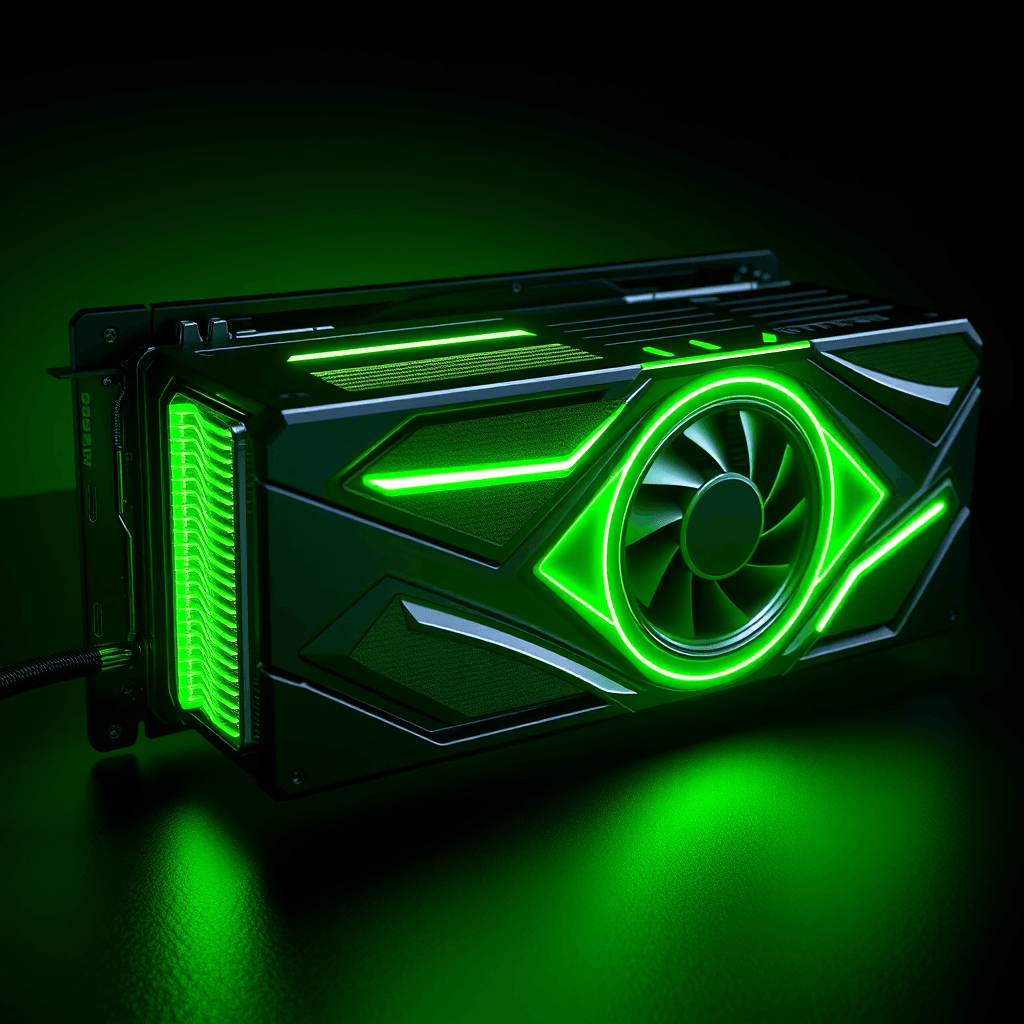
NVIDIA’s aggressive expansion into custom client hardware is accelerating on two parallel tracks: refining proprietary ARM-based system-on-chips (SoCs) to challenge Apple Silicon, and navigating the operational realities of supporting high-TGP desktop flagships.
Fresh leakage surrounding NVIDIA’s upcoming "RTX Spark" ARM SoC (codenamed N1X) indicates substantial architectural tuning ahead of launch, while a notable customer support event at ZOTAC highlights the thermal and board-level realities of maintaining top-tier desktop GPUs across generational transitions.
RTX Spark "N1X" Benchmark Leaks: Closing the ARM Multi-Core Gap
Early Geekbench 6 leaks for NVIDIA’s N1X silicon presented a lukewarm picture, showing multi-core and single-core metrics trailing Apple’s previous-generation M3 Max. However, newly surfaced data from two pre-production RTX Spark laptop systems demonstrates a significant performance recovery.
The updated 20-core ARM processor configuration now trails Apple's 14-core M4 Max by just 11% in Geekbench 6 multi-core testing. This represents a meaningful architectural jump over early stepping revisions, pointing toward aggressive microcode optimization, power delivery fixes, or higher sustained clock targets on the ARMv9-based core cluster.
Geekbench 6 Multi-Core Performance Trajectory (Normalized)
───────────────────────────────────────────────────────────
Apple M4 Max (14-Core)   │ ▓▓▓▓▓▓▓▓▓▓▓▓▓▓▓▓▓▓▓▓ 100%
NVIDIA N1X (20-Core) *   │ ▓▓▓▓▓▓▓▓▓▓▓▓▓▓▓▓▓▓█░  89%  (Latest Leak)
Apple M3 Max (16-Core)   │ ▓▓▓▓▓▓▓▓▓▓▓▓▓▓▓▓▓░░░  85%
NVIDIA N1X Early Leak    │ ▓▓▓▓▓▓▓▓▓▓▓▓▓█░░░░░░  72%  (Early Stepping)
───────────────────────────────────────────────────────────
* Pre-production silicon running high-TDP laptop chassis profile
While Apple relies on a heavily wide-decoder architecture paired with massive unified memory bandwidth, NVIDIA's 20-core strategy relies on higher core density and tight interconnect integration with on-die or co-packaged RTX graphics hardware.
For software engineers and game developers, the target architecture shift is profound: standard x86_64 target pipelines will need native compilation passes for ARM64 platforms equipped with discrete-class GPU pipelines running under Windows on ARM and Linux environments.
Desktop Realities: Board Reliability and the RTX 4090 to 5090 Upgrade
While custom ARM chips represent NVIDIA's long-term mobility focus, the desktop space continues to demand massive power budgets and complex thermal management. A recent incident involving ZOTAC’s U.S. RMA division underscores the technical friction inherent to high-draw graphics cards.
A customer who submitted an RTX 4090 for warranty replacement four consecutive times—likely due to recurring board-level faults such as transient power cycling, memory thermal throttling, or PCB flexing near the 12V-2x6 connector—received an upgraded RTX 5090 at no additional charge.
PCB Failure Vectors on Ultra-High-TDP Flagships
- Thermal Fatigue on VRAM Modules: High density GDDR6X/GDDR7 layouts subject soldered BGA joints to severe micro-expansion cycles.
- Transient Voltage Spikes: High-draw GPUs (450W+) place extreme stress on power delivery phases (VRMs and MOSFETs), requiring precise PWM controller behavior.
- Connector Interface Stress: Thermal cycling near high-current connectors can lead to localized resistance spikes if pin contact force degrades over time.
For an Add-In Board (AIB) partner, replacing a persistent legacy RMA with current-generation Blackwell architecture (RTX 5090) often represents a rational engineering decision: the labor cost of repeated diagnostic testing and refurbishing legacy PCBs eventually exceeds the BOM cost of deploying a newer, revised power delivery platform.
Cross-Compiling for ARM64 + CUDA Heterogeneous Systems
As SoCs like the RTX Spark enter developer labs, toolchains must bridge the gap between ARM64 CPU hosts and NVIDIA's native CUDA acceleration layers. Developers targeting Linux-on-ARM or Windows-on-ARM environments can configure CMake to cross-compile binary targets using standard toolchains.
Below is an example snippet showing how a C++/CUDA project configures standard toolchain paths for a target ARM64 architecture with integrated CUDA runtime support:
# CMakeLists.txt - Cross-compilation configuration for ARM64 + CUDA Target
cmake_minimum_required(VERSION 3.22)
project(RTXSparkWorkload LANGUAGES CXX CUDA)

# Set target system parameters for ARM64
set(CMAKE_SYSTEM_NAME Linux)
set(CMAKE_SYSTEM_PROCESSOR aarch64)

# Define CUDA architecture for target silicon (e.g., Blackwell/Ada compute capability)
if(NOT DEFINED CMAKE_CUDA_ARCHITECTURES)
  set(CMAKE_CUDA_ARCHITECTURES 90) # Adjust based on target architecture target
endif()

# Compiler flags for native ARMv9 optimization
set(CMAKE_CXX_FLAGS "${CMAKE_CXX_FLAGS} -march=armv8.5-a+sve+crypto -O3")
set(CMAKE_CUDA_FLAGS "${CMAKE_CUDA_FLAGS} --use_fast_math -Xptxas -v")

add_executable(rtx_spark_demo main.cpp pipeline.cu)

set_target_properties(rtx_spark_demo PROPERTIES
    CUDA_SEPARABLE_COMPILATION ON
    POSITION_INDEPENDENT_CODE ON
)
By establishing clean build configurations for aarch64 native targets, teams can evaluate execution times and memory throughput across unified memory pools long before final consumer silicon reaches retail shelves.
Conclusion
NVIDIA's dual-track approach highlights the realities of current hardware engineering. The rapid iterative performance gains shown in the 20-core RTX Spark (N1X) leak prove that ARM-based mobile silicon is rapidly approaching performance parity with established mobile market leaders. Simultaneously, the support lifecycle of 450W+ desktop flagships like the RTX 4090 and RTX 5090 serves as a reminder that raw power density demands uncompromised board design and proactive customer service.