
The Evolution of NVIDIA DLSS
A comprehensive technical breakdown of NVIDIA Deep Learning Super Sampling evolution — from early DLSS 1 AI Super Sampling to DLSS 5 Neural Rendering.
The Evolution of NVIDIA DLSS
From AI-Powered Upscaling to Full-Pipeline Neural Rendering
| 🔬 Performance Tuning Lab | ⚡ AI Hardware Readiness Matrix |
|---|---|
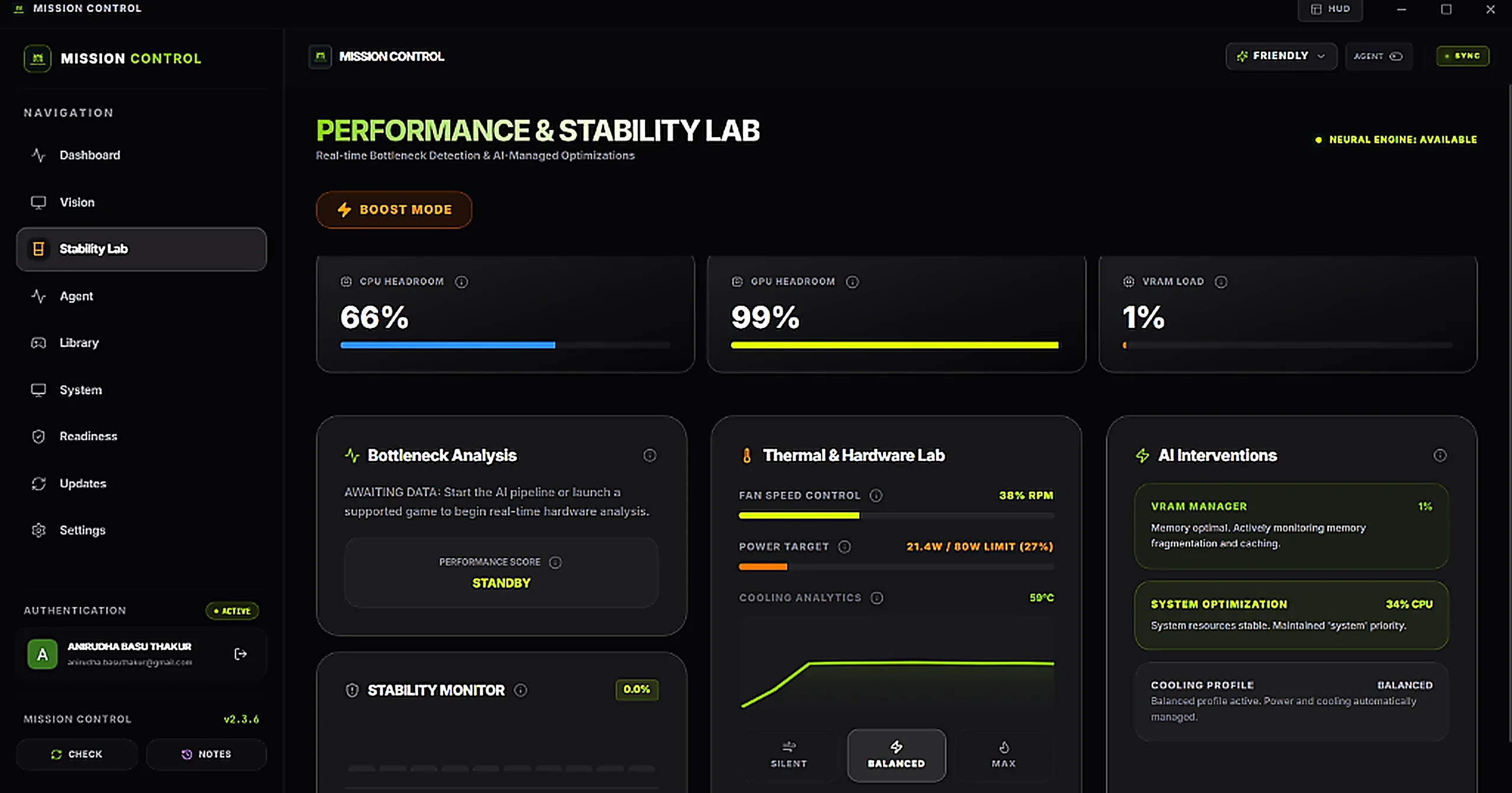 | 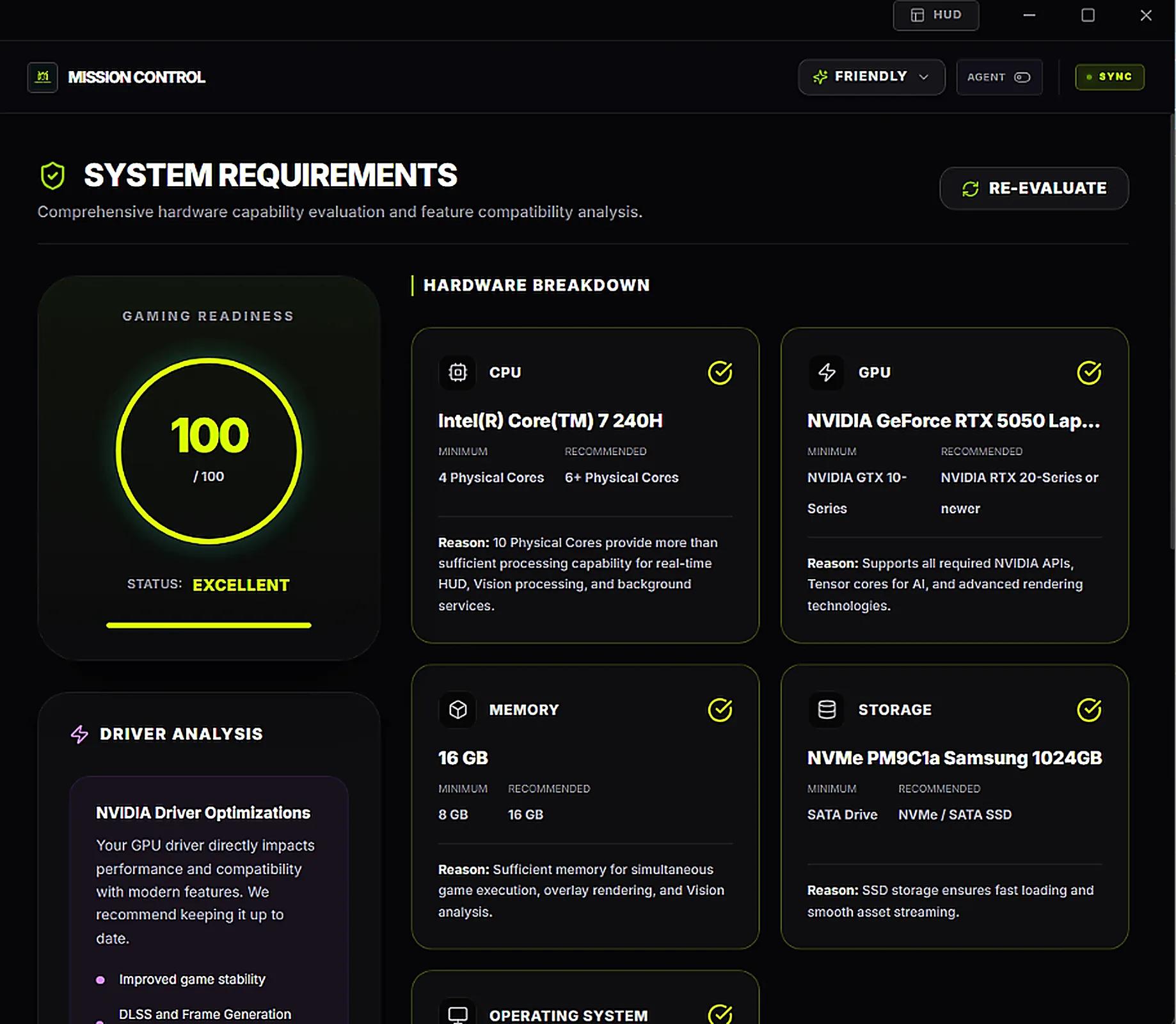 |
NVIDIA Deep Learning Super Sampling (DLSS) is a revolutionary suite of neural rendering technologies powered by dedicated hardwareTensor Coreson GeForce RTX GPUs. Over six generations, DLSS has evolved from resolution upscaling to multi-frame neural generation and real-time ray reconstruction.
DLSS Architectural Matrix
| Generation | Introduced Tech | Primary Tensor Hardware | Max Frame Multiplier | Ray Tracing AI Denoiser | Target GPUs |
|---|---|---|---|---|---|
| DLSS 1.0 | Per-Game Super Sampling | 1st-Gen Tensor Cores | 1.0x (Standard) | Hand-tuned Denoisers | RTX 20 Series |
| DLSS 2.0 | Universal Super Resolution | 2nd/3rd-Gen Tensor Cores | 1.0x (Standard) | Hand-tuned Denoisers | RTX 20 / 30 Series |
| DLSS 3.0 | AI Frame Generation | Optical Flow + 4th-Gen Tensor | 2.0x | Hand-tuned Denoisers | RTX 40 Series |
| DLSS 3.5 | Ray Reconstruction (RR) | 4th-Gen Tensor Cores | 2.0x | AI Ray Reconstruction | RTX 20 / 30 / 40 Series |
| DLSS 4.0 | Multi Frame Generation (MFG) | Transformer + 5th-Gen Tensor | 4.0x | AI Ray Reconstruction | RTX 50 Series |
| DLSS 4.5 | Dynamic Multi Frame Gen | 2nd-Gen Transformer Super Res | 6.0x | AI Ray Reconstruction | RTX 50 Series |
| DLSS 5.0 | Full Neural Rendering Pipeline | Neural Rendering Engine | Native Neural | Full Neural Material Synthesis | Next-Gen RTX (Fall 2026) |
1. DLSS 1.0 — AI Super Sampling (2018)
What Changed: Introduced deep-learning frame reconstruction using game-specific AI supercomputer training.
- Core Technology: 1st-Gen Tensor Cores on Turing architecture (
RTX 2080 Ti,RTX 2080,RTX 2070). - Architectural Flow: Lower-resolution frames (e.g. 1080p) were processed through a trained neural network running on Tensor Cores to reconstruct a 1440p or 4K output frame.
- Impact: Proved that AI hardware acceleration could increase rendering performance without degrading image fidelity.
2. DLSS 2.0 — AI Super Resolution (2020)
What Changed: Replaced game-specific AI models with a single, universal deep-learning network utilizing temporal motion vectors.
- Core Technology: Temporal feedback, motion vectors, and 2nd/3rd-Gen Tensor Cores (
Ampere / Turing). - Key Advancements:
- Universal Model: Trained on offline supercomputers with thousands of 16K images across diverse game engines.
- Multi-Quality Modes: Introduced
Quality,Balanced,Performance, andUltra Performancemodes. - Temporal Reconstruction: Combined frame-to-frame pixel history with motion vectors to resolve sharp edges and fine geometric detail.
3. DLSS 3.0 — AI Frame Generation (2022)
What Changed: Introduced Frame Generation, constructing entirely new intermediate frames between traditionally rendered raster frames using AI.
- Core Technology: Optical Flow Accelerator (OFA) + 4th-Gen Tensor Cores (
Ada Lovelace) + NVIDIA Reflex. - How It Works:
- The Optical Flow Accelerator analyzes sequential frames to track pixel direction, velocity, and sub-pixel particle movement.
- The DLSS Frame Generation neural network synthesizes an intermediate 60 FPS -> 120 FPS AI frame in real-time.
- NVIDIA Reflex synchronizes CPU and GPU queues to eliminate input latency penalty.
Mission Control auto-enablesNVIDIA Reflex Boostalongside DLSS Frame Generation to ensure sub-15ms system input response even when generating multiple AI frames.
4. DLSS 3.5 — Ray Reconstruction (2023)
What Changed: Replaced multiple hand-tuned ray-tracing denoisers with an AI-powered Ray Reconstruction neural model trained on 5x more supercomputer data than DLSS 3.
- Core Technology: Deep-learning spatial-temporal denoiser model trained on offline path-traced rendering data.
- Key Benefits:
- Color & Detail Preservation: Replaces hand-crafted denoisers that caused ghosting or blurry ray-traced reflections.
- Full RT Coverage: Enhances Path Tracing, Global Illumination, Specular Reflections, and Ambient Occlusion simultaneously.
5. DLSS 4.0 & 4.5 — Multi Frame Generation (2025)
What Changed: Introduced Multi Frame Generation (MFG) powered by 5th-Gen Tensor Cores and Transformer-based super-resolution models.
- DLSS 4.0: Generates up to 3 AI frames per traditionally rendered frame (4x total frame rate multiplier).
- DLSS 4.5: Introduced Dynamic Multi Frame Generation utilizing 2nd-gen Transformer networks to dynamically adjust frame generation based on motion complexity, delivering up to 5 AI frames per rendered frame (6X frame rate scaling).
6. DLSS 5.0 — Neural Rendering (Fall 2026)
What Changed: Moves beyond frame upscaling and reconstruction to full real-time Neural Material & Light Rendering.
- Core Technology: Neural graphics pipeline integrated directly into ray tracing shaders.
- Target Milestone: Synthesizes photorealistic lighting, reflections, atmospheric scattering, and complex surface materials directly in real-time at cinematic quality.
- Mission Control Integration: Includes preliminary telemetry support and profile tracking for early DLSS 5 neural shaders.